“farmers 'market” search results (3000)

Fair Trade Fair Trade Certification Coffee Farmer Coffee knowledge
Fairtrade coffee is mainly traded directly with local coffee farmers at a fair price. In a transparent management model and commercial form. The premise of ensuring the working environment of producers and protecting the local environment. At the same time, provide corresponding production technology and training, build bridges, schools, hospitals and other facilities. The aim is for sustainable development and poverty alleviation. Logo: yes
2016-05-26 Fair Trade Certification Coffee Common sense Fairness
Rwanda Coffee
Global coffee producing area-since the 1920s, Rwanda Arabica coffee grown in Rwanda has been famous for its unique fruit sweetness and rich grass aroma. In recent years, the government of Rwanda has taken positive measures to vigorously promote coffee production, set up coffee production cooperatives in various places, and give technical guidance and financial support to farmers, so that coffee production can be achieved.
2014-06-30 Rwanda coffee Rwanda coffee bean price Rwanda Malaba coffee
Peruvian coffee the characteristics and market of Peruvian coffee
Peru (Peru) is also a big coffee producer. Peruvian coffee producing areas: up to 98% of Peruvian coffee is grown in forest areas, and most of the producers are small farmers. Peru's finest coffee is produced in Chanchmayo, Cuzco, Norte and Puno. Most Peruvian coffee is grown under natural conditions, but it is difficult to confirm
2015-03-26 Peru coffee specialty market also production big
Fine coffee Rwanda Coffee characteristics introduction to Rwanda Coffee
Rwandans have been growing coffee since colonial times, but until 1999, its products were still classified as below Class C and were not popular in the global market. The reason for the poor quality is that farmers do not have a fixed procedure for washing coffee beans and do not process coffee fruits according to specifications in time. Buyers buy coffee beans at $0.33 per kilogram, and farmers keep warm by the meagre profits earned at low prices.
2016-05-15 Boutique coffee Rwanda characteristics introduction Renzi colonization times from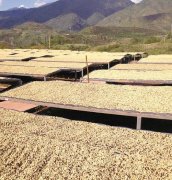
China Coffee Market Yunnan Coffee Wants to Fight for Pricing Power
From 390,000 mu five years ago to 1.3 million mu in 2012, the rapidly expanding coffee planting industry in Yunnan suffered a cold market last year. First, at the beginning of last year, international giant Nestle announced that it would stop buying, triggering a panic selling among farmers. At the end of last year, the purchase price of coffee beans fell to a five-year low, approaching the planting cost line. In Yunnan survey found that under many challenges, cloud
2015-01-12 China Coffee Market Yunnan Counterattack Competition Pricing Power Years ago Acre 20
Rwanda Coffee Origin Rwanda Coffee Taste
Rwandans have been growing coffee since colonial times, but until 1999, its products were still classified as below Class C and were not popular in the global market. The reason for the poor quality is that farmers do not have a fixed procedure for washing coffee beans and do not process coffee fruits according to specifications in time. Buyers buy coffee beans at $0.33 per kilogram, and farmers keep warm by the meagre profits earned at low prices.
2016-05-29 Rwanda Coffee Origin Taste Human colonization Times from Open
Fine coffee Rwanda coffee manor Rwanda coffee producing area
Rwandans have been growing coffee since colonial times, but until 1999, its products were still classified as below Class C and were not popular in the global market. The reason for the poor quality is that farmers do not have a fixed procedure for washing coffee beans and do not process coffee fruits according to specifications in time. Buyers buy coffee beans at $0.33 per kilogram, and farmers keep warm by the meagre profits earned at low prices.
2016-05-15 Boutique Coffee Rwanda Manor producing area Renzi colonization Times since
Boutique coffee Rwanda coffee flavor red apple, cherry, cinnamon, honey
Rwandans have been growing coffee since colonial times, but until 1999, its products were still classified as below Class C and were not popular in the global market. The reason for the poor quality is that farmers do not have a fixed procedure for washing coffee beans and do not process coffee fruits according to specifications in time. Buyers buy coffee beans at $0.33 per kilogram, and farmers keep warm by the meagre profits earned at low prices.
2016-05-15 Boutique coffee Rwanda flavor red apple cherry cinnamon honey
Rwanda Coffee Flavor
Rwandans have been growing coffee since colonial times, but until 1999, its products were still classified as below Class C and were not popular in the global market. The reason for the poor quality is that farmers do not have a fixed procedure for washing coffee beans and do not process coffee fruits according to specifications in time. Buyers buy coffee beans at $0.33 per kilogram, and farmers keep warm by the meagre profits earned at low prices.
2016-08-30 Rwanda coffee flavor characteristics people since colonization times from open
History of Rwandan Coffee A brief introduction to the Origin of Rwandan Coffee
The taste of Rwandan coffee is extremely special. Rwandans have been growing coffee since colonial times, but until 1999, its products were still classified as below Class C and were not popular in the global market. The reason for the poor quality is that farmers do not have a fixed procedure for washing coffee beans and do not process coffee fruits according to specifications in time. Buyers buy coffee beans at $0.33 per kilogram, and farmers rely on low prices.
2016-05-25 Rwanda coffee history origin profile taste extreme special
Thoughts on the unsalable Coffee beans in Yunnan
For Pu'er farmers, this year's coffee beans keep them awake. In previous years, people are looking for beans, but this year they are looking for people. At the beginning of the year, there were many people who bought, but we didn't want to sell. Now there are few people who want to buy, so we can't find a buyer if we want to sell. Li Xiaozhi, a villager of Kongguang Village, Mangkuan Township, Longyang District, Baoshan City, said in an interview: 90% of the villagers in our village grow coffee beans and grow noodles.
2014-05-30 Coffee beans are unsalable.
The source of washed coffee from Rwanda
Rwandans have been growing coffee since colonial times, but until 1999, its products were still classified as below Class C and were not popular in the global market. The reason for the poor quality is that farmers do not have a fixed procedure for washing coffee beans and do not process coffee fruits according to specifications in time. Buyers buy coffee beans at $0.33 per kilogram, and farmers keep warm by the meagre profits earned at low prices.
2016-05-24 Water washing coffee Rwanda source people since colonization times from open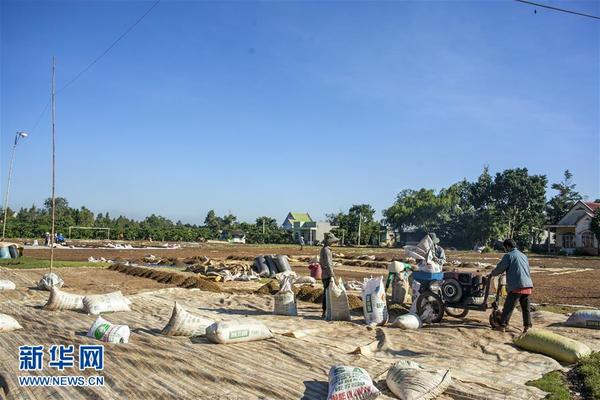
New Farmers' pursuit of Food Safety: return to their hometown to sell Coffee beans and earn more than 10 million a year
New farmers return to their hometown to sell coffee beans with a revenue of more than 10 million a year. In addition to a new round of capital going to the countryside, new farmers are also driven by the pursuit of food safety Shao Haipeng in November, which is the season for picking coffee beans in Hainan. Cheng Zongpei, president of the Baisha Meteorite Ridge Coffee planting Cooperative, is no longer worried this year. On the contrary, he is satisfied with the realization of his wish. The former Hainan Baisha coffee is like being kept in purdah.
2015-12-04 New farmers food safety pursuit return to hometown coffee beans one year revenue 10 million
Fine coffee Rwanda coffee treatment method washing, elevated scaffolding sun drying
Rwandans have been growing coffee since colonial times, but until 1999, its products were still classified as below Class C and were not popular in the global market. The reason for the poor quality is that farmers do not have a fixed procedure for washing coffee beans and do not process coffee fruits according to specifications in time. Buyers buy coffee beans at $0.33 per kilogram, and farmers keep warm by the meagre profits earned at low prices.
2016-05-15 Boutique coffee Rwanda flavor washing viaduct scaffolding sun drying Luwang
Boutique coffee Rwanda coffee producing area in the western province of Lutexilo
Rwandans have been growing coffee since colonial times, but until 1999, its products were still classified as below Class C and were not popular in the global market. The reason for the poor quality is that farmers do not have a fixed procedure for washing coffee beans and do not process coffee fruits according to specifications in time. Buyers buy coffee beans at $0.33 per kilogram, and farmers keep warm by the meagre profits earned at low prices.
2016-05-15 Boutique coffee Rwanda producing areas western province Texi Renzi colonization
Province of Cajamarca, Peru (Cajamarca)
Located in northeastern Peru, CENFROCAFE is a non-profit small farmers' cooperative to help as many as 2,000 farmers manage the production of coffee, cocoa and other crops, improve their quality and help farmers promote their products to the international market.
2014-06-19 Coffee knowledge Peruvian Coffee Coffee Encyclopedia
Characteristics of coffee beans in Rwanda planting methods of coffee beans in Rwanda
Rwandans have been growing coffee since colonial times, but until 1999, its products were still classified as below Class C and were not popular in the global market. The reason for the poor quality is that farmers do not have a fixed procedure for washing coffee beans and do not process coffee fruits according to specifications in time. Buyers buy coffee beans at $0.33 per kilogram, and farmers keep warm by the meagre profits earned at low prices.
2016-05-08 Rwanda coffee beans characteristics cultivation methods people colonization times
Hougu Coffee: Yunnan's Most Complete Coffee Industry Chain
According to Yang Aijun, deputy director of Dehong Prefecture Specialty Office, every time the state party committee and state government develop an industry, in order to ensure industrial safety, they will consider four factors: one is the immediate interests of farmers; the second is the development prospect of the market; the third is the driving force of leading enterprises; and the fourth is whether farmers are willing to plant. Among them, it is very important to choose leading enterprises, not only to have strength but also to have a sense of responsibility.
2016-10-11 Coffee Yunnan Complete Industrial Chain Dehong Specialty Deputy Director Yang Aijun Introduction
Blue Mountain Coffee Farmers tighten their bellies and the Japanese watch their pockets and switch to drinking cheap coffee
Jamaica's top Blue Mountain Coffee is famous all over the world, but farmers who grow coffee beans in the Blue Mountains are now in trouble. With the global economic downturn, Japanese customers, the main consumers of Blue Mountain Coffee, are saving money, hitting farmers' livelihoods and being forced to live on their bellies. The temperature in the Blue Mountains is cool and humid, and coffee beans planted above 1600 meters above sea level are regarded as the best varieties by many coffee lovers.
2014-06-28 Blue Mountain Coffee Blue Mountain Coffee beans affordable Coffee
The Historical Origin of Rwandan Coffee
Historical editors originate that Rwandans have been growing coffee since colonial times, but until 1999, its products were still classified as below Class C and were not popular in the global market. The reason for the poor quality is that farmers do not have a fixed procedure for washing coffee beans and do not process coffee fruits according to specifications in time. Buyers buy coffee beans at $0.33 per kilogram, which farmers earn at low prices.
2016-06-01 Rwanda Coffee History Origin Editor Human self colonization